What goes wrong
| Failure | Symptom | Fix |
|---|---|---|
| Cleaned the front, not the back | Fan sounds fine but airflow is weak and the room still feels stuffy | Vacuum the rear intake grille — that's the side that clogs |
| Water got into the housing | Fan won't start, or trips a breaker, or smells hot | Unplug immediately, leave it 48h to dry, don't retry until then. Damp motor and mains is not a thing to gamble on |
| Blade reinstalled backwards | Motor runs normally, airflow feels wrong or comes out the "wrong" side | Reopen, flip the blade, check the hub key/clip orientation |
| Used a household cleaner with solvents | Grille turns hazy, cloudy, or develops fine cracks | Nothing recovers it. Use dish soap and water only, going forward |
| Never lubricated, never opened | Grinding, ticking or growling at low speed | On sealed towers this is usually terminal. On serviceable fans, a drop of light machine oil on the motor shaft can help; if it's bearing wear, replace |
| Compressed air with the blade free-spinning | Fan is quieter for a week, then noisier than before | Hold the blade still next time. Damage already done isn't reversible |
| Aroma pad or fragrance oil applied to blades | Sticky film that grabs dust twice as fast | Only use the designated pad if your fan has one; never put oil on blades or grille |
Quick answer: Unplug the fan, get the dust out of the intake grille with compressed air or a vacuum brush, then wipe the blades and housing with a barely damp microfiber cloth and let everything dry fully before plugging back in. Tower fans are the awkward case because most of them don't open — you clean them through the grille rather than by taking them apart. Do this every 3-4 weeks in heavy-use season and your fan will stay quiet, move more air, and stop redistributing dust around the room.
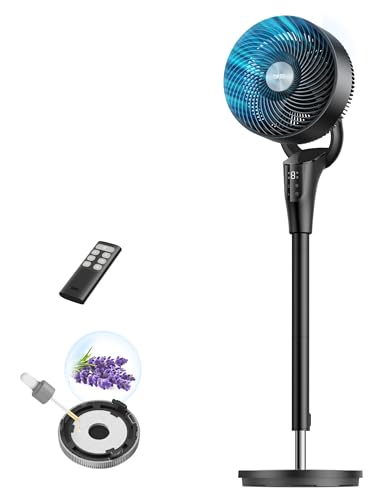
- 𝙐𝙡𝙩𝙧𝙖 𝙋𝙤𝙬𝙚𝙧𝙛𝙪𝙡 𝘼𝙞𝙧 𝘾𝙞𝙧𝙘𝙪𝙡𝙖𝙩𝙤𝙧 𝘽𝙮 𝙐𝙥𝙜𝙧𝙖𝙙𝙚𝙙: Compared with previous DREO
- 𝙐𝙡𝙩𝙧𝙖 𝙌𝙪𝙞𝙚𝙩 𝘾𝙤𝙢𝙛𝙤𝙧𝙩: Powered by a DC motor, DREO's unique blade design delivers smooth airflow with quiet operation. You can also mute beep sounds with a single
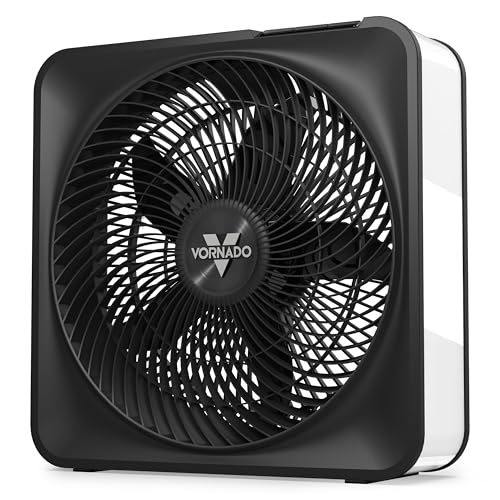
- CUSTOMIZABLE COMFORT — The Vornado Model 80 electric fan for home comes with 5 adjustable settings, allowing you to effortlessly choose between a light breeze or a powerful gust
- DURABLE CONSTRUCTION — Crafted with quality materials for long-lasting performance, the Vornado Model 80 floor fan is built to endure. Its sturdy design ensures reliability for
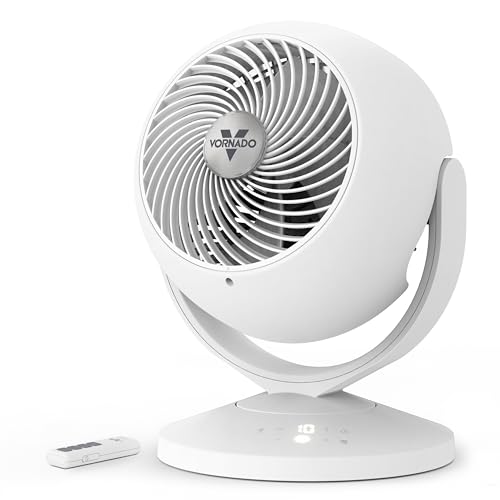
- OMNIWAVE AIRFLOW — Vora brings energy and motion to your space with OmniWave multi-axis oscillation. This innovative floor fan moves beyond standard vertical or horizontal motion
- MULTIPLE COMFORT MODES — Choose how your air moves with Whole Room Circulation, Cyclic Mode for smooth rise-and-fall airflow, Sleep Mode to gently taper as you rest, or Breeze
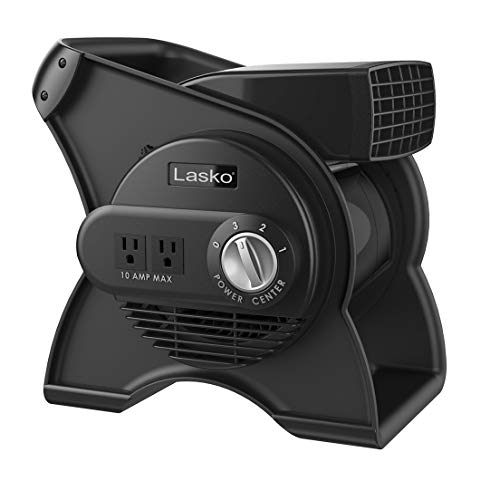
- COMPACT YET POWERFUL: Moves serious air, wherever you need it. This small portable fan delivers high-velocity airflow in a lightweight design. Delivers up to 289 CFM through three
- ADJUSTABLE BLOWER: Pivot and aim airflow exactly where it counts. 270-degree pivot lets you direct airflow up, down, or at an angle to target specific areas. Perfect for drying
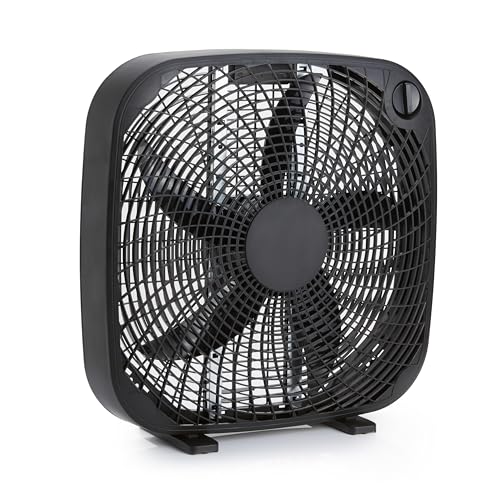
- CUSTOMIZABLE AIRFLOW: Choose from three speed settings (low, medium, high) to tailor the blowing speed to your comfort level
- PORTABILITY AND LIGHTWEIGHT: Weighing just 5.8 pounds and equipped with a convenient carrying handle at the top, this fan is effortlessly portable, enabling you to move it between

- 【Powerful Wind, Instant Cool】Stay refreshed anytime with the AUIIAH handheld turbo fan! The GS30 mini turbo fan features a high-speed 3-phase brushless motor and a 6-blade design
- 【5-Speed Customization】This personal portable handheld fan offers 5 adjustable wind settings, from a gentle breeze to a powerful airflow, ensuring a personalized comfort
The clean, step by step
1. Unplug it. Actually unplug it. Not "switch it off." Fans with remotes, timers and auto modes can wake up. A blade that starts turning while your fingers are in the grille is a genuinely bad afternoon. Gotcha: battery-powered handhelds don't have a plug to pull — power them off and let them sit, because a stray thumb on the button while you're wiping the blade is the same problem in miniature.
2. Work out whether yours opens. This is the single fork in the road. Fans with removable grilles — the Vornado 80 High Velocity Box Fan and the Vornado VORA 8 both list removable grilles, and the DREO pedestal fan lists a detachable blade, front grill and rear grill — get a full teardown clean. Most tower fans don't open at all, or only via screws holding a rear panel that isn't designed to come off routinely. If yours is sealed (many Holmes and Honeywell towers are), skip to step 5.
The best how to clean maintain fans for your situation depends on how you plan to use it and where.
3. Vacuum the outside first, before anything gets wet. Brush attachment, low suction, over the intake side and the outlet side. This pulls off the loose surface layer so you're not turning it into grey paste the moment you introduce moisture. Gotcha: do the intake — the back — first and most thoroughly. That's where 90% of the dust lives, and people always clean the front because that's the side they look at.
4. If it opens: remove the grille, clean the blades properly. Blades come clean with warm water and a drop of dish soap. Wash them in the sink, not over the fan. The grille can go in the sink too. Gotcha: never submerge or run water over the motor housing, the control panel, or anything with a cord. Wipe those with a damp-then-dry cloth only. Second gotcha: photograph the assembly before you pull it apart, and note which way the blade faces — reversed blades push air backwards and you will not notice until it's running.
5. If it's sealed (most tower fans): compressed air through the grille. Take the fan outside or into a bathtub. Point a can of compressed air — or a shop vac on blow — into the rear intake grille in short bursts, working top to bottom, and let the dust blow out the front. Gotcha: hold the internal blade drum still with a chopstick or skewer through the grille if you can reach it. Free-spinning a fan blade with compressed air back-drives the motor and can, over time, degrade the bearings.
6. Get the grille slots themselves. A dry toothbrush, a foam craft brush, or a microfiber cloth wrapped around a butter knife will get into the vertical slots on a tower grille. Follow with a slightly damp cloth. Gotcha: "slightly damp" means wrung out until it won't drip if you squeeze it. Water running down the inside of a tower grille lands on the motor.
7. Dry completely — give it hours, not minutes. Everything reassembled bone dry, then plug in. Gotcha: plastic grilles feel dry to the touch while water is still sitting in screw recesses and seams. Leave it overnight if you washed parts in the sink.
8. Run it on low for a minute and listen. New rattle means a grille clip isn't seated or a screw is loose. Fix it now rather than after it's vibrated its way across the floor.
Specs and cleaning access
| Product | Price | Cleaning access as stated | Speeds | Notable |
|---|---|---|---|---|
| DREO Fan for Bedroom, 2026 Upgraded, 90ft Airflow, 20dB Quiet Fan, 90° Oscillating Standing Fan for Whole Room, DC Motor, 8+H Speeds, 3 Modes, 38-42'' Adjustable Height, 8H Timer, 105° Manual Vertical | Check price on Amazon | Detachable design — blade, front grill and rear grill remove separately | 8 speeds | 90° oscillation, 105° pivot, 38–42" height, 8H timer, built-in aroma pad |
| Vornado 80 High Velocity Box Fan, 20 Inch, 5 Speeds, Powerful Airflow | Check price on Amazon | Removable grille | 5 speeds | 20-inch box format, 5-year replacement support |
| Vornado VORA 8 Large Air Circulator, OmniWave Oscillation, Remote, Timer | Check price on Amazon | Easily removable grille and blade | 10-speed touch controls | OmniWave multi-axis oscillation, 12-hour timer, RF remote, control lock |
| Lasko Pivoting High Velocity Portable Utility Fan - 12" - U12104 - Black | Check price on Amazon | Not stated | 3 speeds | 289 CFM, 270° pivot, two grounded outlets, 10-ft cord, circuit breaker |
| Amazon Basics 3-Speed Box Fan for Bedroom, Portable with Carry Handle, Powerful Airflow, 5 Blades, Lightweight Design, 67 Watts, 20-Inch, Black | Check price on Amazon | Not stated | 3 speeds | 5.8 lbs, carry handle, 67W, 6.8"D x 20.86"W x 21.33"H |
| AUIIAH Portable Handheld Turbo Fan - 5 Speed Mini Personal Fan | Check price on Amazon | Not stated | 5 speeds | 0.44 lbs, 180° foldable, USB-C recharge in 3 hours, LED display |
When the fix is a new one
Sometimes the fan isn't dirty, it's finished — the bearings are gone, or it was never designed to be opened and ten summers of dust are now welded to the internals. If you're replacing, buying one that comes apart is the single change that makes the next decade of maintenance trivial. Check current reviews yourself for each of these; what follows is only what the manufacturers state.
Vornado VORA 8 Large Air Circulator, OmniWave Oscillation, Remote, Timer — grille and blade both come off
The Vornado VORA 8 Large Air Circulator, OmniWave Oscillation, Remote, Timer lists an easily removable grille and blade, which is the combination that turns a 40-minute compressed-air session into a five-minute sink wash. It also has 10-speed touch controls with a control lock, a 12-hour timer, an RF remote, and Sleep, Breeze, Cyclic and Whole Room Circulation modes. Vornado states 5-year replacement support.
Vornado 80 High Velocity Box Fan, 20 Inch, 5 Speeds, Powerful Airflow — a 20-inch box fan that opens
Box fans are dust magnets because they're often floor-level and pointed at a window. The Vornado 80 High Velocity Box Fan, 20 Inch, 5 Speeds, Powerful Airflow has a removable grille so you can detach it and wipe the blades directly instead of poking through the front. Five speeds, and the same 5-year replacement support.
DREO Fan for Bedroom, 2026 Upgraded — three-piece teardown on a pedestal fan
Pedestal and oscillating fans usually mean unscrewing a retaining ring you'll drop under the sofa. The DREO Fan for Bedroom, 2026 Upgraded, 90ft Airflow, 20dB Quiet Fan, 90° Oscillating Standing Fan for Whole Room, DC Motor, 8+H Speeds, 3 Modes, 38-42'' Adjustable Height, 8H Timer, 105° Manual Vertical states a detachable design where blade, front grill and rear grill come off separately. DC motor, 20dB rated, 8 speeds, 90° oscillation, 105° pivot, 38–42" height range, 8-hour timer, and a built-in aroma pad if you want fragrance kept off the blades.
Amazon Basics 3-Speed Box Fan — light enough to carry to the tub
At 5.8 lbs with a top carry handle, the Amazon Basics 3-Speed Box Fan for Bedroom, Portable with Carry Handle, Powerful Airflow, 5 Blades, Lightweight Design, 67 Watts, 20-Inch, Black, 6.8"D x 20.86"W x 21.33"H is easy to move outdoors for the messy part of cleaning rather than doing it over your carpet. Three speeds, 67 watts, extra-large feet for stability.
Lasko Pivoting High Velocity Portable Utility Fan - 12" - U12104 - Black — the one you point at wet floors
The Lasko Pivoting High Velocity Portable Utility Fan - 12" - U12104 - Black delivers up to 289 CFM across three speeds with a 270° pivot, which Lasko notes is useful for drying freshly-mopped floors — handy for drying washed grilles and blades too. It's ETL listed with a 3-prong grounded plug, a circuit breaker with reset button, two grounded outlets and a 10-foot cord.
AUIIAH Portable Handheld Turbo Fan — the small one that's easiest to keep clean
Small fans collect lint fast because they live in bags and pockets. The AUIIAH Portable Handheld Turbo Fan - 5 Speed Mini Personal Fan with Strong Airflow, Foldable 3 in 1 Rechargeable Battery Operated Trave Essentials Hand Fans for Indoor/Outdoor Use, Black weighs 0.44 lbs, folds 180°, and recharges over USB-C in about 3 hours with an LED display for speed and battery. Wipe it, never rinse it — it has a battery inside.
FAQ
Can I put a tower fan in water or wash it in the sink? No. Nothing with a motor or a control board goes in water. "How to wash a tower fan" really means "how to clean a sealed tower fan," and the answer is compressed air through the intake grille plus a barely-damp cloth on the outside.
How do I clean a Holmes or Honeywell tower fan that has no removable grille? Same method as any sealed tower: unplug, take it outside, blast compressed air into the rear intake in short bursts while holding the internal drum still, then brush and wipe the grille slots. Some models have a small screwed access panel on the back — if yours does, the manual will say so. If the manual doesn't mention it, don't go hunting for screws.
How often should I actually do this? Every 3-4 weeks during heavy use, and a full clean before you store it for the season. Storing a dusty fan lets that layer bake on over winter, and it's far harder to remove in spring.
How do I safely clean a bladeless fan? Unplug it, wipe the loop and the base with a damp cloth, and vacuum the intake vents around the lower housing — that ring of small slots is where all the dust goes. Nothing goes inside the loop, and no liquid near the base.
Related guides
- The Best Space Heaters for Large Rooms
- Midea U Inverter vs LG Dual Inverter Window AC
- Terms and Conditions
Key Takeaways
- Choosing the right how to clean maintain fans means matching the key features to your specific needs and budget
- Read real customer reviews and check the return policy before you commit
- Compare value across models — the priciest option is not always the best fit